
When Your Basement Floods, Every Minute Counts
A flooded basement can turn a peaceful home into a panic zone. You’re staring at standing water, soaked boxes, and the worry of hidden mold. If you’re in Utah County or Salt Lake County, you’re not alone. Basement floods are common after heavy rain, burst pipes, or snowmelt, and mold can begin to grow within 24 to 48 hours.
This guide walks you through exactly what to do right now, how to clean it up safely, and how to stop mold before it starts. If you need step-by-step assistance for a flooded basement, help is available.
What We’ll Cover:
What To Do Immediately When Your Basement Floods
When water enters your basement, the first few hours are critical. The goal is simple: stay safe, stop the water, and start drying.
-
- Turn off electricity to affected areas. Never step into standing water with power on.
-
- Find and stop the source. Check for burst pipes, clogged drains, or failed sump pumps.
-
- Document everything for insurance. Take clear photos before you start cleanup.
-
- Remove items safely. Move furniture, rugs, and valuables to a dry space.
-
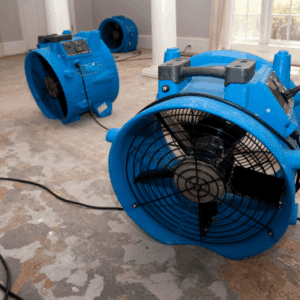
- Call for professional help early. Trained technicians have commercial extractors and drying systems that remove water faster than home equipment.
Here’s the thing: the more prolonged moisture lingers, the more damage it causes. Even small leaks can soak deep into drywall and flooring, feeding hidden mold.
Why Acting Fast Prevents Mold and Structural Damage

Mold doesn’t wait. Within 24 hours of a flood, spores begin to multiply in damp materials such as wood, insulation, and carpet. Once that happens, simple drying isn’t enough.
Here’s what happens when you delay:
-
- Mold spores spread through the air, creating potential health risks.
-
- Structural materials weaken, especially in wood framing and drywall.
-
- Odors set in, making your basement smell musty and unpleasant.
The science is simple. Mold thrives on moisture and organic material. If you remove water and humidity quickly, you cut off its food source. That is why professional flood restoration includes industrial dehumidifiers and thermal imaging tools to confirm that every hidden pocket of moisture is gone.
The Right Way to Clean and Dry Your Basement
Cleaning a flooded basement isn’t just about mopping up. It’s about decontamination and prevention. Follow these steps to handle it safely:

-
- Extract Standing WaterUse wet vacuums or pumps to remove all visible water. Professionals use truck-mounted extractors to quickly clear large volumes.
-
- Remove Damaged MaterialsIf drywall, carpet, or insulation are soaked for more than 24 hours, they need to go. These materials trap moisture, allowing mold to grow underneath.
-
- Dry and Dehumidify ThoroughlyRun fans and dehumidifiers continuously for at least 48 to 72 hours. Keep windows closed to prevent humid air from entering.
-
- Disinfect SurfacesClean all hard surfaces with antimicrobial solutions. Avoid bleach on porous materials because it won’t reach mold roots and can damage surfaces.
-
- Inspect for Mold GrowthLook for dark spots, fuzzy patches, or musty odors. If in doubt, schedule a mold inspection before restoring walls or flooring.
At Bio Clean of Utah, we use moisture meters and infrared cameras to find what you can’t see. That is how we make sure your basement is truly dry, not just on the surface.
How to Know When You Need Professional Help
Sometimes DIY efforts aren’t enough. You need professional help when:
-
- The water level was more than a few inches deep.
-
- The flood involved sewage or contaminated water.
-
- Mold growth is visible or smells are persistent.
-
- You’ve experienced repeated flooding in the same area.
-
- You want documentation for insurance claims.
Certified restoration companies like Bio Clean of Utah are trained under IICRC standards to safely extract, dry, sanitize, and restore. The process isn’t just about drying; it’s about protecting your home’s structure and your family’s health.
We’ve seen basements that looked dry but tested at 20% moisture content, which is more than enough for mold to thrive behind walls. Professional drying prevents that from happening.
Preventing Future Flooding and Mold
Once your basement is dry, prevention becomes your next priority. Small changes can make a big difference:
-
- Install or maintain a sump pump. Test it twice a year and have a backup battery.
-
- Clean gutters and downspouts. Direct water at least six feet away from your foundation.
-
- Seal foundation cracks. Waterproof coatings help stop seepage.
-
- Use a dehumidifier year-round. Keep humidity below 50%.
-
- Schedule annual mold inspections if your basement is prone to dampness.
What this really means is prevention is cheaper and easier than cleanup. Keeping moisture out ensures your home stays healthy and your air stays clean.
Real Expertise You Can Trust
At Bio Clean of Utah, we’ve helped hundreds of homeowners recover from basement floods across Utah County and Salt Lake County. Our technicians are IICRC certified and available 24/7 because we know disasters do not wait for business hours.
We work directly with your insurance provider, so you can focus on getting your home and peace of mind back.
When every minute matters, you need a team that moves fast and gets it right the first time.
Ready to Take the Next Step?
If your basement is wet or you suspect hidden mold, don’t wait. Moisture spreads fast and mold spreads faster.
Our experts can assess the damage, create a restoration plan, and help you navigate your insurance claim, all in one visit.
Frequently Asked Questions
Restore Safety and Peace of Mind with Bio Clean of Utah
Floods are stressful, but cleanup doesn’t have to be. Acting quickly protects your home, your family, and your future.
At Bio Clean of Utah, we combine certified expertise with genuine care to restore your space quickly and completely. From water extraction to mold prevention, we’re here when it matters most.
Contact us today for fast, reliable flood cleanup in Utah County and Salt Lake County. Your basement can be safe, dry, and healthy again starting now.
Related Reads:

- One Disaster, Two Problems: How To Recover From Fire And Water Damage Fast - December 9, 2025
- Water-Stained Ceiling? Act Fast Before It Turns into Mold - December 5, 2025
- Why Mold Remediation and Abatement Are Growing 3% a Year as Utah Families Choose Healthier Homes - December 4, 2025